

The real estate market in the Gulf Cooperation Council (GCC) countries is undergoing significant transformations, driven by government initiatives and global economic changes. With rising demand for residential properties and continuous infrastructure development, Gulf markets have become more dynamic and attractive to both investors and buyers. This article explores the key real estate trends in the Gulf for 2024, with a special focus on Saudi Arabia as one of the region’s fastest-growing markets.
The Sakan Real Estate Report for 2024 provides an in-depth analysis of the GCC real estate sector based on accurate data and expert insights. The report highlights key trends and developments in the housing sector, including the surge in investment property sales and the expansion of residential projects. It aims to offer investors a clear perspective to make informed decisions and maximize their real estate investments.
Key Real Estate Trends in the Gulf
1-Surge in Housing Construction
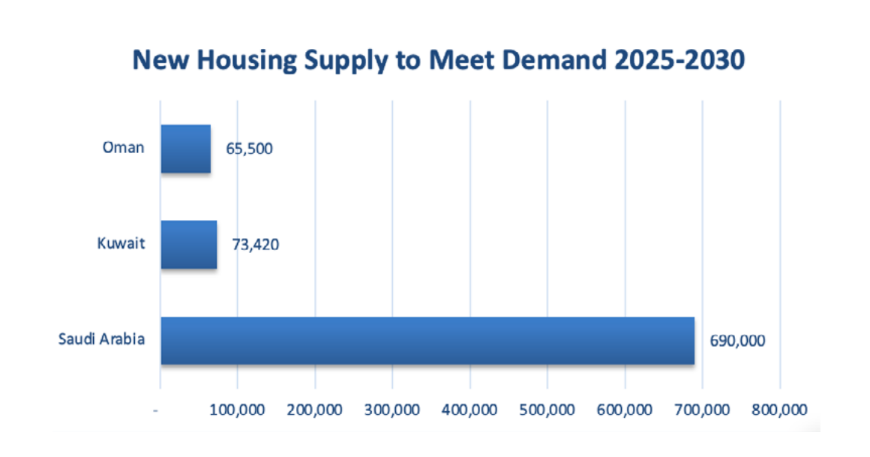
As populations grow and governments push for urban expansion, there is a pressing need for over 800,000 new housing units in Saudi Arabia, Kuwait, and Oman by 2030. Riyadh, in particular, is projected to experience a 4.1% annual population growth, significantly driving demand for residential properties across different segments.
Several Gulf cities are witnessing rapid population growth. Riyadh’s population is expected to reach 9.6 million by 2030, fueled by an influx of expatriates and reduced internal migration due to large-scale urban projects. Meanwhile, Dubai’s population has doubled from 1.91 million in 2010 to 3.83 million in 2024, with projections indicating an additional 2.5 million residents by 2040, reinforcing its status as a prime destination for expatriates and investors.
2- Shift from Renting to Homeownership Among Expats
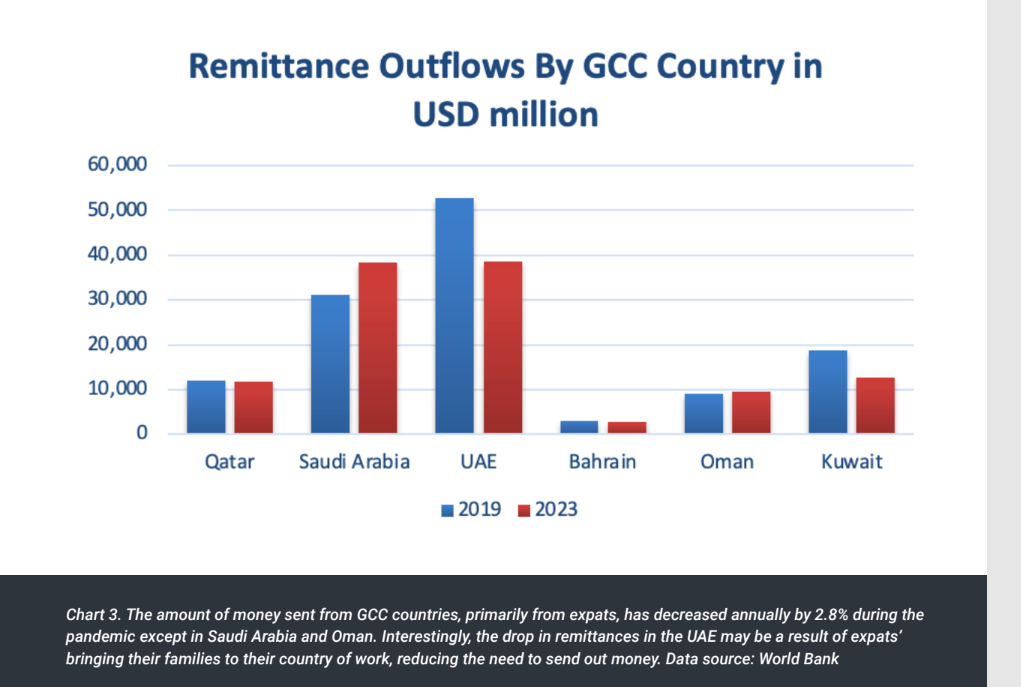
Expatriates play a crucial role in the Gulf real estate market, and many are now opting to buy rather than rent, especially in Dubai, Abu Dhabi, and Riyadh. Long-term residency programs and golden visas have encouraged this shift, increasing demand for owned properties over rental options.
3- Growth of New Cities and Mega Projects
The Gulf region is experiencing a boom in large-scale real estate projects, such as NEOM and King Abdullah Economic City in Saudi Arabia, Lusail in Qatar, and Dilmunia in Bahrain. These projects are designed to create modern, sustainable living environments that attract both residents and investors.
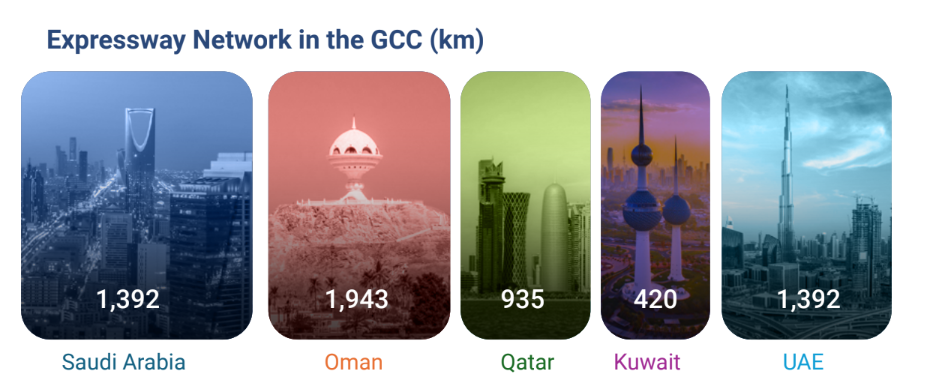
Infrastructure improvements, particularly in road networks across the GCC, have also played a crucial role, especially following the 2022 FIFA World Cup in Qatar. Enhanced connectivity has facilitated smoother intercity travel, benefiting countries like the UAE, Kuwait, Qatar, Oman, and Saudi Arabia.
4- Booming Luxury Real Estate Market
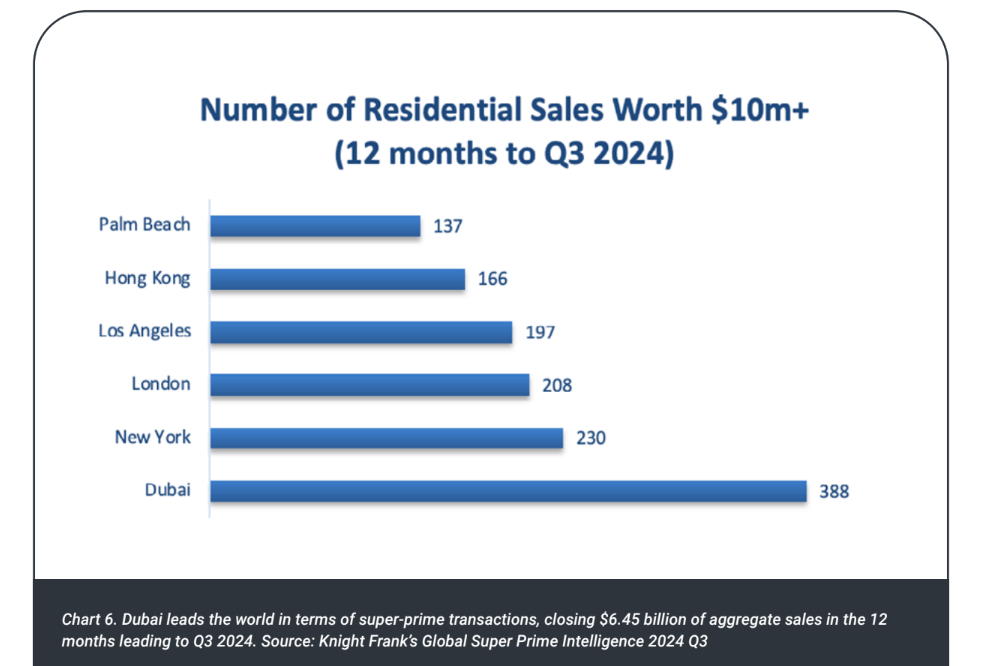
Luxury real estate continues to attract investors, particularly in Dubai, which recorded over 388 property transactions exceeding $10 million in the past year. Saudi Arabia is also witnessing growing demand for high-end properties, particularly in major developments such as the Red Sea Project and Jeddah Central.
5- Housing Affordability Challenges
Despite the surge in residential projects, affordability remains a concern in some Gulf countries due to high property prices relative to income levels, particularly in Kuwait and Qatar. However, Riyadh offers one of the most favorable price-to-income ratios, making homeownership more accessible to a larger segment of the population.
Real Estate Transactions in the GCC
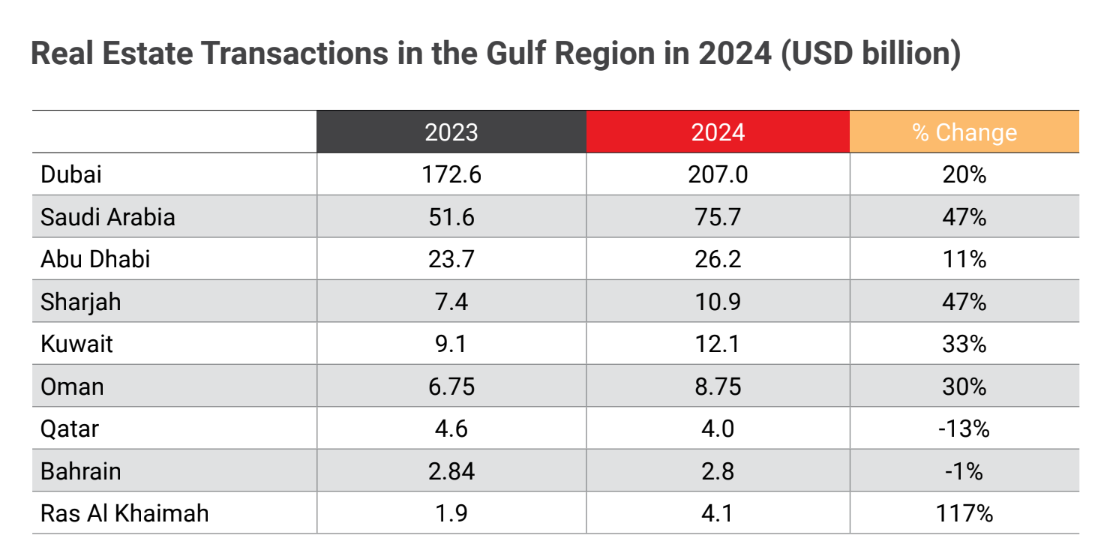
The GCC recorded real estate transactions worth $391 billion in 2024, accounting for 18.6% of the region’s economy in 2023. Dubai alone represented 54% of these transactions. While Qatar and Bahrain experienced a slight decline in deals last year, the rest of the Gulf markets demonstrated strong growth.
Saudi Arabia’s Real Estate Market: Opportunities & Challenges
Saudi Arabia is at the forefront of real estate expansion in the Gulf, driven by Vision 2030 and massive development projects. Here are some of the key highlights:
1- Rising Property Sales and Rental Prices
Saudi Arabia has seen a significant increase in real estate prices:
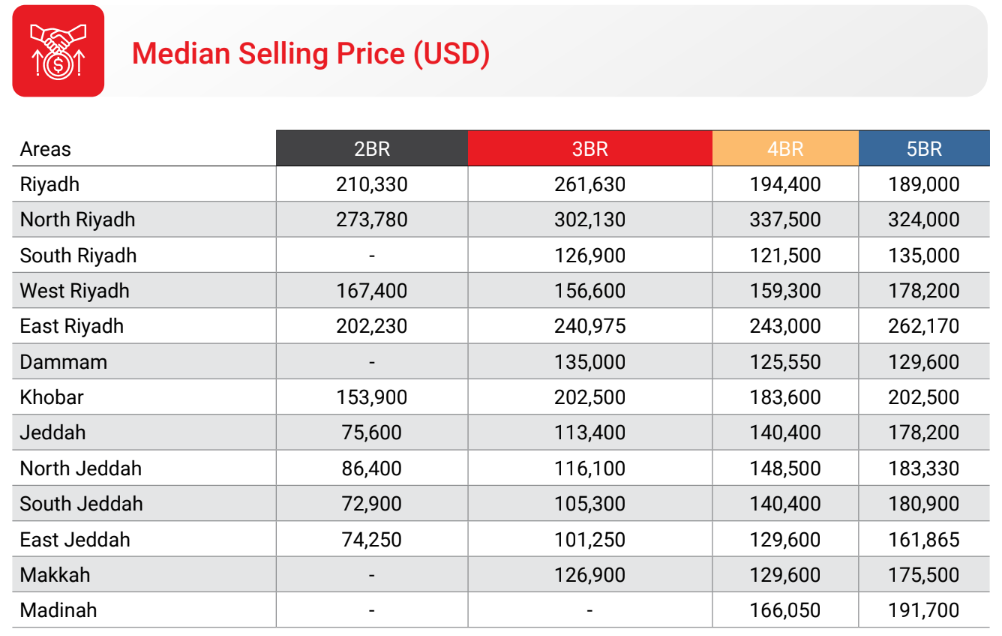
Apartment prices rose by 8% in 2024, with the highest growth in eastern Riyadh.
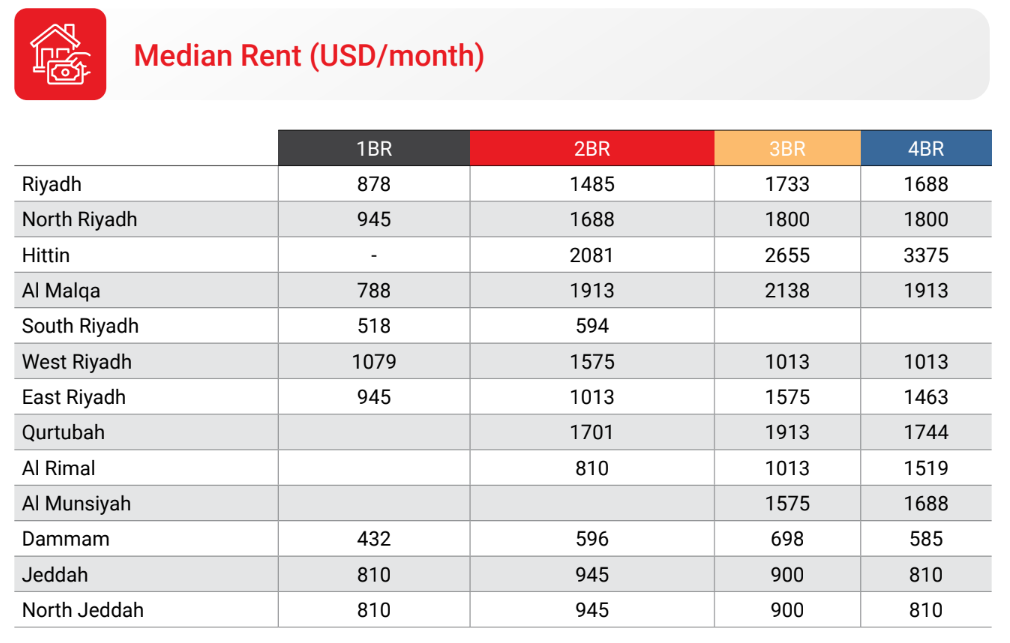
Rental prices climbed 10.6% due to the rising number of expatriates and increased demand for housing in major cities.
Average Monthly Rent for Apartments (USD):
Average Sale Price for Apartments (USD):
 2- Expansion of New Cities
Cities like Riyadh, Jeddah, and Dammam continue to grow with major development projects reshaping the real estate landscape. Upcoming cities such as NEOM and Qiddiya are expected to further boost demand for residential and investment properties.
3- Attractive Investment Returns
Saudi Arabia remains one of the most lucrative real estate markets in the Gulf, with annual rental yields reaching 7.8% in some areas. Rising rental prices in major cities make the kingdom an ideal destination for real estate investors.
4- Increasing Demand for Luxury Villas
The demand for luxury villas has surged, particularly in Riyadh and Jeddah, with annual price increases ranging between 7% and 10%. Additionally, upscale housing projects in the Red Sea and AlUla are adding new dimensions to the market.
The Gulf real estate market—especially in Saudi Arabia—continues to thrive, backed by government reforms and large-scale projects. While affordability remains a challenge in certain countries, new city developments and expanding investment opportunities enhance the sector’s appeal.
Whether you’re an investor or homebuyer, 2024 presents major real estate opportunities in the Gulf, with Saudi Arabia leading the transformation with confidence and ambition.
To view the report, click the link below.